Buy 擁壁.com ?
We are moving the project
擁壁.com .
Are you interested in purchasing the domain
擁壁.com ?
domain@kv-gmbh.de · 0541-91531010
Buy 擁壁.com ?
What are heat-retaining materials?
Heat-retaining materials are substances that have the ability to trap and hold heat for an extended period of time. These materials are often used in insulation to prevent heat loss in buildings or to keep objects warm. Common examples of heat-retaining materials include wool, fiberglass, and certain types of foam. By using these materials, energy consumption for heating can be reduced, making them environmentally friendly options. **
Will the Earth survive the age of humans and will the diversity of living beings flourish again?
The Earth has survived numerous mass extinctions in its history, and it is likely that it will continue to exist long after humans are gone. However, the current rate of species extinction and environmental degradation caused by human activities is threatening the diversity of living beings. If humans take significant action to mitigate climate change, protect natural habitats, and reduce pollution, there is a possibility that the diversity of living beings could flourish again. It will require a concerted effort from individuals, governments, and organizations to ensure the survival and thriving of Earth's biodiversity. **


Similar search terms for Flourish
Top-Angebote
Products related to Flourish:
-
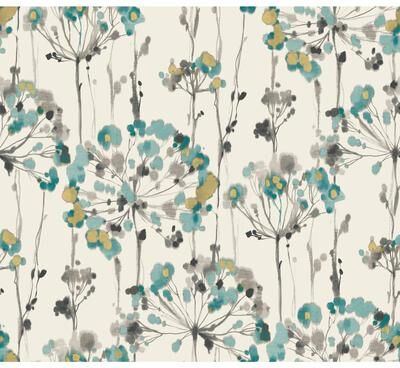
NextWall Forest Flourish Peel and Stick WallpaperBring the splendors of spring inside with this Forest Flourish peel and stick wallpaper pattern by NextWall. Supporting an abundance of stylized botanicals, the lush branches have a lively charm that will breathe an air of freshness into every corner.89,99 $*Shipping: 0,00 $Secure redirect to the provider
-
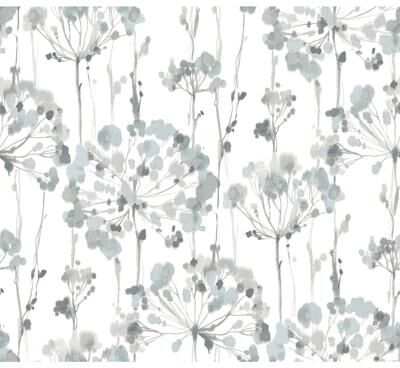
Candice Olson Flourish Blue & Grey WallpaperA leisurely stroll down a country lane yields natural flower stalks like these; arrange them in an antique bottle for a seasonal rustic bouquet. For year-round pastoral charm select this charming Flourish Wallpaper.153,00 $*Shipping: 0,00 $Secure redirect to the provider


-
Is the construction of these components learned more in engineering design or in fixture design?
The construction of these components is typically learned more in engineering design rather than fixture design. Engineering design focuses on the overall functionality, performance, and structural integrity of the components, while fixture design is more concerned with the specific tools and equipment needed for manufacturing and assembly processes. Engineers are trained to understand the principles of material properties, manufacturing processes, and design considerations that are essential for creating effective components. **
-
Are construction materials vegetarian?
Construction materials are not considered vegetarian because they are not derived from living organisms. Materials such as concrete, steel, and glass are manufactured from non-living sources such as minerals, chemicals, and metals. Therefore, they do not fall under the category of vegetarian or non-vegetarian. **
-
Why does a construction worker need knowledge about construction materials?
A construction worker needs knowledge about construction materials to understand the properties, uses, and limitations of different materials. This knowledge helps them make informed decisions about which materials to use for specific projects, ensuring the structural integrity and safety of the building. Additionally, understanding construction materials helps workers identify potential issues or defects in materials, leading to better quality control and preventing costly mistakes during construction. Overall, having knowledge about construction materials is essential for construction workers to perform their job effectively and efficiently. **
-
How can one quench in materials engineering?
In materials engineering, quenching refers to the rapid cooling of a material from a high temperature to a lower temperature. This process is typically done by immersing the material in a quenching medium such as water, oil, or air. The goal of quenching is to achieve specific material properties such as increased hardness and strength. By controlling the quenching process, materials engineers can tailor the microstructure and properties of the material to meet the desired performance requirements for a particular application. **

What building materials or construction is this?
This is a traditional Japanese building constructed using wood and paper. The wooden framework is typically made from cedar or cypress, and the walls are often made from paper screens called shoji. The roof is usually made from thatched straw or ceramic tiles. This type of construction allows for flexibility and natural ventilation, and is well-suited to Japan's climate and seismic activity. **
What are the job prospects in materials engineering?
Job prospects in materials engineering are generally positive, as the field is expected to grow in the coming years. With the increasing demand for new materials in various industries such as aerospace, automotive, and renewable energy, there will be a need for materials engineers to develop and improve these materials. Additionally, as technology continues to advance, there will be opportunities for materials engineers to work on developing new materials for emerging technologies. Overall, the job prospects for materials engineers are promising, especially for those with advanced degrees and specialized skills. **
Top-Angebote
Products related to Flourish:
-
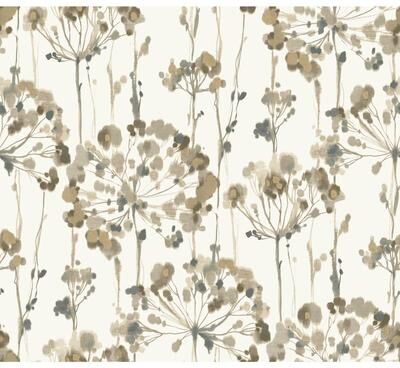
Candice Olson Flourish Purple WallpaperA leisurely stroll down a country lane yields natural flower stalks like these; arrange them in an antique bottle for a seasonal rustic bouquet. For year-round pastoral charm select this charming Flourish Wallpaper.153,00 $*Shipping: 0,00 $Secure redirect to the provider
-
NextWall Forest Flourish Peel and Stick WallpaperBring the splendors of spring inside with this Forest Flourish peel and stick wallpaper pattern by NextWall. Supporting an abundance of stylized botanicals, the lush branches have a lively charm that will breathe an air of freshness into every corner.89,99 $*Shipping: 0,00 $Secure redirect to the provider
-
What are heat-retaining materials?
Heat-retaining materials are substances that have the ability to trap and hold heat for an extended period of time. These materials are often used in insulation to prevent heat loss in buildings or to keep objects warm. Common examples of heat-retaining materials include wool, fiberglass, and certain types of foam. By using these materials, energy consumption for heating can be reduced, making them environmentally friendly options. **
-
Will the Earth survive the age of humans and will the diversity of living beings flourish again?
The Earth has survived numerous mass extinctions in its history, and it is likely that it will continue to exist long after humans are gone. However, the current rate of species extinction and environmental degradation caused by human activities is threatening the diversity of living beings. If humans take significant action to mitigate climate change, protect natural habitats, and reduce pollution, there is a possibility that the diversity of living beings could flourish again. It will require a concerted effort from individuals, governments, and organizations to ensure the survival and thriving of Earth's biodiversity. **
-
Is the construction of these components learned more in engineering design or in fixture design?
The construction of these components is typically learned more in engineering design rather than fixture design. Engineering design focuses on the overall functionality, performance, and structural integrity of the components, while fixture design is more concerned with the specific tools and equipment needed for manufacturing and assembly processes. Engineers are trained to understand the principles of material properties, manufacturing processes, and design considerations that are essential for creating effective components. **
-
Are construction materials vegetarian?
Construction materials are not considered vegetarian because they are not derived from living organisms. Materials such as concrete, steel, and glass are manufactured from non-living sources such as minerals, chemicals, and metals. Therefore, they do not fall under the category of vegetarian or non-vegetarian. **
Similar search terms for Flourish
-
Candice Olson Flourish Blue & Grey WallpaperA leisurely stroll down a country lane yields natural flower stalks like these; arrange them in an antique bottle for a seasonal rustic bouquet. For year-round pastoral charm select this charming Flourish Wallpaper.153,00 $*Shipping: 0,00 $Secure redirect to the provider
-
Why does a construction worker need knowledge about construction materials?
A construction worker needs knowledge about construction materials to understand the properties, uses, and limitations of different materials. This knowledge helps them make informed decisions about which materials to use for specific projects, ensuring the structural integrity and safety of the building. Additionally, understanding construction materials helps workers identify potential issues or defects in materials, leading to better quality control and preventing costly mistakes during construction. Overall, having knowledge about construction materials is essential for construction workers to perform their job effectively and efficiently. **
-
How can one quench in materials engineering?
In materials engineering, quenching refers to the rapid cooling of a material from a high temperature to a lower temperature. This process is typically done by immersing the material in a quenching medium such as water, oil, or air. The goal of quenching is to achieve specific material properties such as increased hardness and strength. By controlling the quenching process, materials engineers can tailor the microstructure and properties of the material to meet the desired performance requirements for a particular application. **
-
What building materials or construction is this?
This is a traditional Japanese building constructed using wood and paper. The wooden framework is typically made from cedar or cypress, and the walls are often made from paper screens called shoji. The roof is usually made from thatched straw or ceramic tiles. This type of construction allows for flexibility and natural ventilation, and is well-suited to Japan's climate and seismic activity. **
-
What are the job prospects in materials engineering?
Job prospects in materials engineering are generally positive, as the field is expected to grow in the coming years. With the increasing demand for new materials in various industries such as aerospace, automotive, and renewable energy, there will be a need for materials engineers to develop and improve these materials. Additionally, as technology continues to advance, there will be opportunities for materials engineers to work on developing new materials for emerging technologies. Overall, the job prospects for materials engineers are promising, especially for those with advanced degrees and specialized skills. **
* All prices are inclusive of VAT and, if applicable, plus shipping costs. The offer information is based on the details provided by the respective shop and is updated through automated processes. Real-time updates do not occur, so deviations can occur in individual cases. ** Note: Parts of this content were created by AI.