Buy 擁壁.com ?
We are moving the project
擁壁.com .
Are you interested in purchasing the domain
擁壁.com ?
domain@kv-gmbh.de · 0541-91531010
Buy 擁壁.com ?
What are heat-retaining materials?
Heat-retaining materials are substances that have the ability to trap and hold heat for an extended period of time. These materials are often used in insulation to prevent heat loss in buildings or to keep objects warm. Common examples of heat-retaining materials include wool, fiberglass, and certain types of foam. By using these materials, energy consumption for heating can be reduced, making them environmentally friendly options. **
Is the construction of these components learned more in engineering design or in fixture design?
The construction of these components is typically learned more in engineering design rather than fixture design. Engineering design focuses on the overall functionality, performance, and structural integrity of the components, while fixture design is more concerned with the specific tools and equipment needed for manufacturing and assembly processes. Engineers are trained to understand the principles of material properties, manufacturing processes, and design considerations that are essential for creating effective components. **
Similar search terms for Whetstone
Top-Angebote
Products related to Whetstone:
-
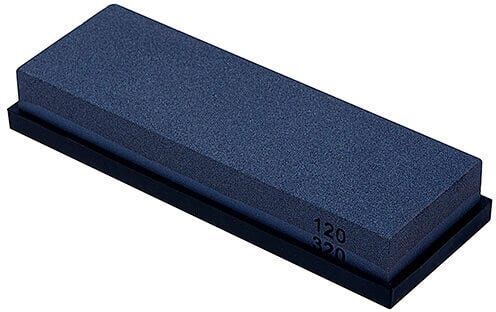
I.O.Shen Mastergrade 120/320 Grit WhetstoneThe I.O. Shen Mastergrade 120 and 320 Dual Grit Whetstone is a classic way to keep your knives razor sharp. Even the sharpest and most expensive blades will loose their edge over time and a sharp blade is more efficient, takes less effort to use and is safer as there is less likelihood of the blade slipping when in use The coarse combination of this whetstone is suitable for removing chips and nicks from blades. The I.O. Shen Mastergrade Dual Grit Whetstone is a simple and effective method of keeping your knives in tip-top condition. Soak the whetstone in water for approximately 20 minutes before use. Place the whetstone back in its tray, coarse side up, allowing any excess water to drain off. Take your knife and smoothly run the blade in a sweeping motion over the length of the whetstone making sure you keep the blade at an angle of approximately 20° to the whetstone. Ensure that each sweep takes in the whole length of the blade - from heel to tip. Repeat this process several times then turn the knife around to work on the opposite side of the blade. This process brings back the fine edge to the blade. Repeat the same process using the fine side of the whetstone to give the blade its razor sharp edge back. After sharpening always carefully handwash the knife and dry immediately with a tea towel.31,95 £*Shipping: 3,50 £Secure redirect to the provider
-
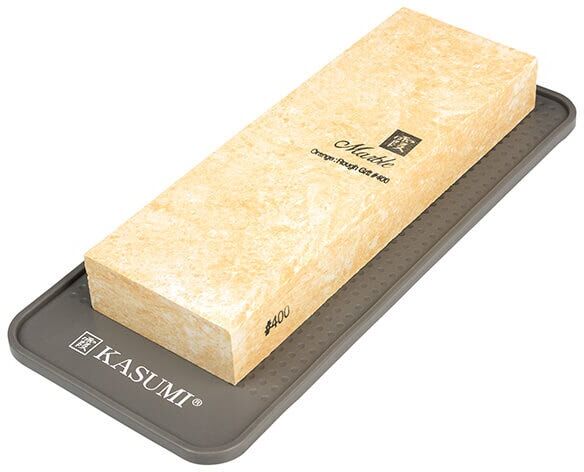
Kasumi Coarse Whetstone with Silicone MatThis Kasumi whetstone has a coarse 400 grit for repairing nicks and damaged blades. The whetstone is complete with a silicone mat that helps grip when in use. Complete with a whetstone holder. Dimensions: L18cm x W6.5cm x H2.5cm. Made in Seki, Japan.67,20 £*Shipping: 0,00 £Secure redirect to the provider
-
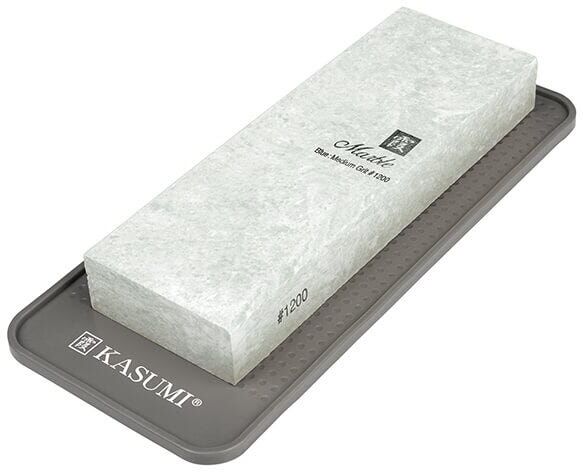
Kasumi Medium Whetstone with Silicone MatThis Kasumi whetstone has a medium 1200 grit for sharpening dull and blunted stainless steel blades. The whetstone is complete with a silicone mat that helps grip when in use. Complete with a whetstone holder. Dimensions: L18cm x W6.5cm x H2.5cm. Made in Seki, Japan.72,00 £*Shipping: 0,00 £Secure redirect to the provider
-
Kasumi Fine Whetstone with Silicone MatThis Kasumi whetstone has a fine 2000 grit for sharpening and polishing stainless steel blades. The whetstone is complete with a silicone mat that helps grip when in use. Complete with a whetstone holder. Dimensions: L18cm x W6.5cm x H2.5cm. Made in Seki, Japan.76,80 £*Shipping: 0,00 £Secure redirect to the provider

-
Are construction materials vegetarian?
Construction materials are not considered vegetarian because they are not derived from living organisms. Materials such as concrete, steel, and glass are manufactured from non-living sources such as minerals, chemicals, and metals. Therefore, they do not fall under the category of vegetarian or non-vegetarian. **
-
Why does a construction worker need knowledge about construction materials?
A construction worker needs knowledge about construction materials to understand the properties, uses, and limitations of different materials. This knowledge helps them make informed decisions about which materials to use for specific projects, ensuring the structural integrity and safety of the building. Additionally, understanding construction materials helps workers identify potential issues or defects in materials, leading to better quality control and preventing costly mistakes during construction. Overall, having knowledge about construction materials is essential for construction workers to perform their job effectively and efficiently. **
-
How can one quench in materials engineering?
In materials engineering, quenching refers to the rapid cooling of a material from a high temperature to a lower temperature. This process is typically done by immersing the material in a quenching medium such as water, oil, or air. The goal of quenching is to achieve specific material properties such as increased hardness and strength. By controlling the quenching process, materials engineers can tailor the microstructure and properties of the material to meet the desired performance requirements for a particular application. **
-
What building materials or construction is this?
This is a traditional Japanese building constructed using wood and paper. The wooden framework is typically made from cedar or cypress, and the walls are often made from paper screens called shoji. The roof is usually made from thatched straw or ceramic tiles. This type of construction allows for flexibility and natural ventilation, and is well-suited to Japan's climate and seismic activity. **

What are the job prospects in materials engineering?
Job prospects in materials engineering are generally positive, as the field is expected to grow in the coming years. With the increasing demand for new materials in various industries such as aerospace, automotive, and renewable energy, there will be a need for materials engineers to develop and improve these materials. Additionally, as technology continues to advance, there will be opportunities for materials engineers to work on developing new materials for emerging technologies. Overall, the job prospects for materials engineers are promising, especially for those with advanced degrees and specialized skills. **
Which field of study in construction engineering?
Construction engineering encompasses a wide range of fields of study, including structural engineering, geotechnical engineering, transportation engineering, and construction management. Structural engineering focuses on the design and analysis of building structures, while geotechnical engineering deals with the behavior of earth materials and their interaction with structures. Transportation engineering involves the planning and design of transportation systems, and construction management focuses on the planning, coordination, and control of construction projects. These fields of study are all essential in the construction engineering industry and contribute to the successful completion of infrastructure projects. **
Top-Angebote
Products related to Whetstone:
-
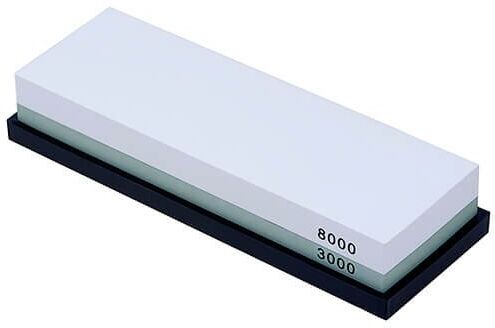
I.O.Shen Mastergrade 3000/8000 Grit WhetstoneThe I.O. Shen Mastergrade 3000 and 8000 Dual Grit Whetstone is a classic way to keep your knives razor sharp. Even the sharpest and most expensive blades will loose their edge over time and a sharp blade is more efficient, takes less effort to use and is safer as there is less likelihood of the blade slipping when in use. The super fine combination of this whetstone produces the finest finish for superior sharpness. The I.O. Shen Mastergrade Dual Grit Whetstone is a simple and effective method of keeping your knives in tip-top condition. Soak the whetstone in water for approximately 20 minutes before use. Place the whetstone back in its tray, coarse side up, allowing any excess water to drain off. Take your knife and smoothly run the blade in a sweeping motion over the length of the whetstone making sure you keep the blade at an angle of approximately 20° to the whetstone. Ensure that each sweep takes in the whole length of the blade - from heel to tip. Repeat this process several times then turn the knife around to work on the opposite side of the blade. This process will bring back the fine edge to the blade of a blunt knife and will also remove any small chips and nicks. Repeat the same process using the fine side of the whetstone to give the blade its razor sharp edge back. After sharpening always carefully handwash the knife and dry immediately with a tea towel.87,95 £*Shipping: 0,00 £Secure redirect to the provider
-
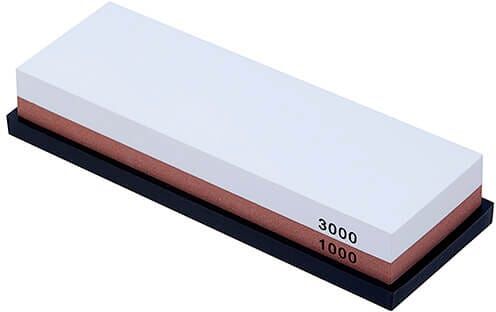
I.O.Shen Mastergrade 1000/3000 Grit WhetstoneThe I.O. Shen Mastergrade 1000 and 3000 Dual Grit Whetstone is a classic way to keep your knives razor sharp. Even the sharpest and most expensive blades will loose their edge over time and a sharp blade is more efficient, takes less effort to use and is safer as there is less likelihood of the blade slipping when in use. The fine combination of this whetstone produces a fine and polished edge for superior sharpness. The I.O. Shen Mastergrade Dual Grit Whetstone is a simple and effective method of keeping your knives in tip-top condition. Soak the whetstone in water for approximately 20 minutes before use. Place the whetstone back in its tray, coarse side up, allowing any excess water to drain off. Take your knife and smoothly run the blade in a sweeping motion over the length of the whetstone making sure you keep the blade at an angle of approximately 20° to the whetstone. Ensure that each sweep takes in the whole length of the blade - from heel to tip. Repeat this process several times then turn the knife around to work on the opposite side of the blade. This process will bring back the fine edge to the blade of a blunt knife and will also remove any small chips and nicks. Repeat the same process using the fine side of the whetstone to give the blade its razor sharp edge back. After sharpening always carefully handwash the knife and dry immediately with a tea towel.59,95 £*Shipping: 0,00 £Secure redirect to the provider
-
I.O.Shen Mastergrade 120/320 Grit WhetstoneThe I.O. Shen Mastergrade 120 and 320 Dual Grit Whetstone is a classic way to keep your knives razor sharp. Even the sharpest and most expensive blades will loose their edge over time and a sharp blade is more efficient, takes less effort to use and is safer as there is less likelihood of the blade slipping when in use The coarse combination of this whetstone is suitable for removing chips and nicks from blades. The I.O. Shen Mastergrade Dual Grit Whetstone is a simple and effective method of keeping your knives in tip-top condition. Soak the whetstone in water for approximately 20 minutes before use. Place the whetstone back in its tray, coarse side up, allowing any excess water to drain off. Take your knife and smoothly run the blade in a sweeping motion over the length of the whetstone making sure you keep the blade at an angle of approximately 20° to the whetstone. Ensure that each sweep takes in the whole length of the blade - from heel to tip. Repeat this process several times then turn the knife around to work on the opposite side of the blade. This process brings back the fine edge to the blade. Repeat the same process using the fine side of the whetstone to give the blade its razor sharp edge back. After sharpening always carefully handwash the knife and dry immediately with a tea towel.31,95 £*Shipping: 3,50 £Secure redirect to the provider
-
Kasumi Coarse Whetstone with Silicone MatThis Kasumi whetstone has a coarse 400 grit for repairing nicks and damaged blades. The whetstone is complete with a silicone mat that helps grip when in use. Complete with a whetstone holder. Dimensions: L18cm x W6.5cm x H2.5cm. Made in Seki, Japan.67,20 £*Shipping: 0,00 £Secure redirect to the provider
-
What are heat-retaining materials?
Heat-retaining materials are substances that have the ability to trap and hold heat for an extended period of time. These materials are often used in insulation to prevent heat loss in buildings or to keep objects warm. Common examples of heat-retaining materials include wool, fiberglass, and certain types of foam. By using these materials, energy consumption for heating can be reduced, making them environmentally friendly options. **
-
Is the construction of these components learned more in engineering design or in fixture design?
The construction of these components is typically learned more in engineering design rather than fixture design. Engineering design focuses on the overall functionality, performance, and structural integrity of the components, while fixture design is more concerned with the specific tools and equipment needed for manufacturing and assembly processes. Engineers are trained to understand the principles of material properties, manufacturing processes, and design considerations that are essential for creating effective components. **
-
Are construction materials vegetarian?
Construction materials are not considered vegetarian because they are not derived from living organisms. Materials such as concrete, steel, and glass are manufactured from non-living sources such as minerals, chemicals, and metals. Therefore, they do not fall under the category of vegetarian or non-vegetarian. **
-
Why does a construction worker need knowledge about construction materials?
A construction worker needs knowledge about construction materials to understand the properties, uses, and limitations of different materials. This knowledge helps them make informed decisions about which materials to use for specific projects, ensuring the structural integrity and safety of the building. Additionally, understanding construction materials helps workers identify potential issues or defects in materials, leading to better quality control and preventing costly mistakes during construction. Overall, having knowledge about construction materials is essential for construction workers to perform their job effectively and efficiently. **
Similar search terms for Whetstone
-
Kasumi Medium Whetstone with Silicone MatThis Kasumi whetstone has a medium 1200 grit for sharpening dull and blunted stainless steel blades. The whetstone is complete with a silicone mat that helps grip when in use. Complete with a whetstone holder. Dimensions: L18cm x W6.5cm x H2.5cm. Made in Seki, Japan.72,00 £*Shipping: 0,00 £Secure redirect to the provider
-
Kasumi Fine Whetstone with Silicone MatThis Kasumi whetstone has a fine 2000 grit for sharpening and polishing stainless steel blades. The whetstone is complete with a silicone mat that helps grip when in use. Complete with a whetstone holder. Dimensions: L18cm x W6.5cm x H2.5cm. Made in Seki, Japan.76,80 £*Shipping: 0,00 £Secure redirect to the provider
-
Rio Rockingham Forge Fine Ceramic WhetstoneThis Rockingham Forge high quality fine ceramic whetstone has a 3000 grit and is suitable for sharpening stainless steel knives. This ceramic whetstone is long lasting and cleaner than traditional whetstones. Perfect for honing your knife edge and requires a lot less oil or water for lubrication whilst sharpening. The whetstone includes a non-slip removable silicone base to ensure safe and even sharpening.18,75 £*Shipping: 3,50 £Secure redirect to the provider
-
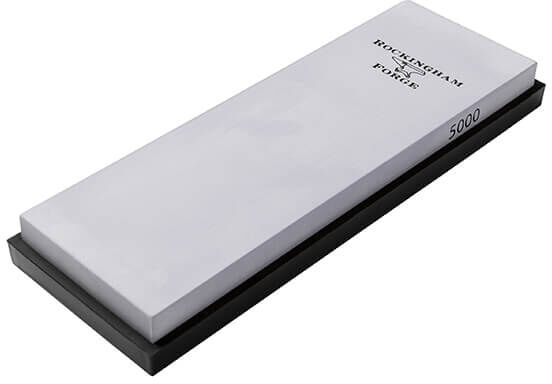
Rio Rockingham Forge Superfine Ceramic WhetstoneThis Rockingham Forge high quality superfine ceramic whetstone has a 5000 grit and is suitable for sharpening stainless steel knives. This ceramic whetstone is long lasting and cleaner than traditional whetstones. Perfect for polishing your knives and requires a lot less oil or water for lubrication whilst sharpening. The whetstone includes a non-slip removable silicone base to ensure safe and even sharpening.23,44 £*Shipping: 3,50 £Secure redirect to the provider
-
How can one quench in materials engineering?
In materials engineering, quenching refers to the rapid cooling of a material from a high temperature to a lower temperature. This process is typically done by immersing the material in a quenching medium such as water, oil, or air. The goal of quenching is to achieve specific material properties such as increased hardness and strength. By controlling the quenching process, materials engineers can tailor the microstructure and properties of the material to meet the desired performance requirements for a particular application. **
-
What building materials or construction is this?
This is a traditional Japanese building constructed using wood and paper. The wooden framework is typically made from cedar or cypress, and the walls are often made from paper screens called shoji. The roof is usually made from thatched straw or ceramic tiles. This type of construction allows for flexibility and natural ventilation, and is well-suited to Japan's climate and seismic activity. **
-
What are the job prospects in materials engineering?
Job prospects in materials engineering are generally positive, as the field is expected to grow in the coming years. With the increasing demand for new materials in various industries such as aerospace, automotive, and renewable energy, there will be a need for materials engineers to develop and improve these materials. Additionally, as technology continues to advance, there will be opportunities for materials engineers to work on developing new materials for emerging technologies. Overall, the job prospects for materials engineers are promising, especially for those with advanced degrees and specialized skills. **
-
Which field of study in construction engineering?
Construction engineering encompasses a wide range of fields of study, including structural engineering, geotechnical engineering, transportation engineering, and construction management. Structural engineering focuses on the design and analysis of building structures, while geotechnical engineering deals with the behavior of earth materials and their interaction with structures. Transportation engineering involves the planning and design of transportation systems, and construction management focuses on the planning, coordination, and control of construction projects. These fields of study are all essential in the construction engineering industry and contribute to the successful completion of infrastructure projects. **
* All prices are inclusive of VAT and, if applicable, plus shipping costs. The offer information is based on the details provided by the respective shop and is updated through automated processes. Real-time updates do not occur, so deviations can occur in individual cases. ** Note: Parts of this content were created by AI.