Buy 擁壁.com ?
We are moving the project
擁壁.com .
Are you interested in purchasing the domain
擁壁.com ?
domain@kv-gmbh.de · 0541-91531010
Buy 擁壁.com ?
Which plaster on gypsum plaster?
The plaster used on gypsum plaster is typically a finishing plaster, such as a joint compound or a setting compound. These types of plasters are applied over the gypsum plaster to create a smooth and even surface for painting or other decorative finishes. **
How do you plaster on plaster?
To plaster on plaster, you first need to ensure that the existing plaster is clean and free of any loose debris. Next, apply a bonding agent to the existing plaster surface to help the new plaster adhere properly. Then, mix the new plaster according to the manufacturer's instructions and apply it evenly over the existing plaster using a trowel. Smooth out the surface and allow it to dry completely before finishing with a final coat if necessary. **


Similar search terms for Plaster
Top-Angebote
Products related to Plaster:
-
Advantage Steno Silver Plaster WallpaperThis chic wallpaper's cool silver hues are enhanced by subtle textural detailing. The plaster-like texture is also imbued with a subtle shimmer and delicate dusting of glitter. Steno is an unpasted, vinyl on non woven wallpaper.66,99 $*Shipping: 0,00 $Secure redirect to the provider
-
Advantage Steno Taupe Plaster WallpaperSubtle texture and light-catching accents in this wallpaper adds depth to your interiors. The neutral taupe hue is imbued with a plaster-like texture, subtle sheen, and a light coating of glitter. Steno is an unpasted, vinyl on non woven wallpaper.66,99 $*Shipping: 0,00 $Secure redirect to the provider
-
Cosmoplast Plaster Elastic 10 unitsHealth and Beauty First aid kit Cosmoplast Plaster Elastic 10 units What is Plaster Elastic 10 u? Cosmoplast Plaster Elastic are elastic bandages for covering minor everyday injuries. Their elasticity allows them to move with the skin, which is especially helpful for fingers, knuckles, and joints. The package contains 10 bandages . Benefits They cover the wound and protect it from friction and dirt while it heals. Their elastic fabric adapts to areas that bend, so the bandage stays in place even if you move your hand. Who is it for? Keep this in your home, work, or car first-aid kit to treat minor cuts, scrapes, and scratches. If the wound is deep, extensive, or shows signs of infection, consult a healthcare professional. How to apply Plaster Elastic 10 units? Clean and dry the wound and the surrounding skin. Remove the protector without touching the pad. Place the pad over the wound and press down the adhesive ends. Product Use Medical device for external use. Change the bandage when it gets wet or dirty and follow the instructions on the packaging.1,40 £*Shipping: 3,99 £Secure redirect to the provider
-
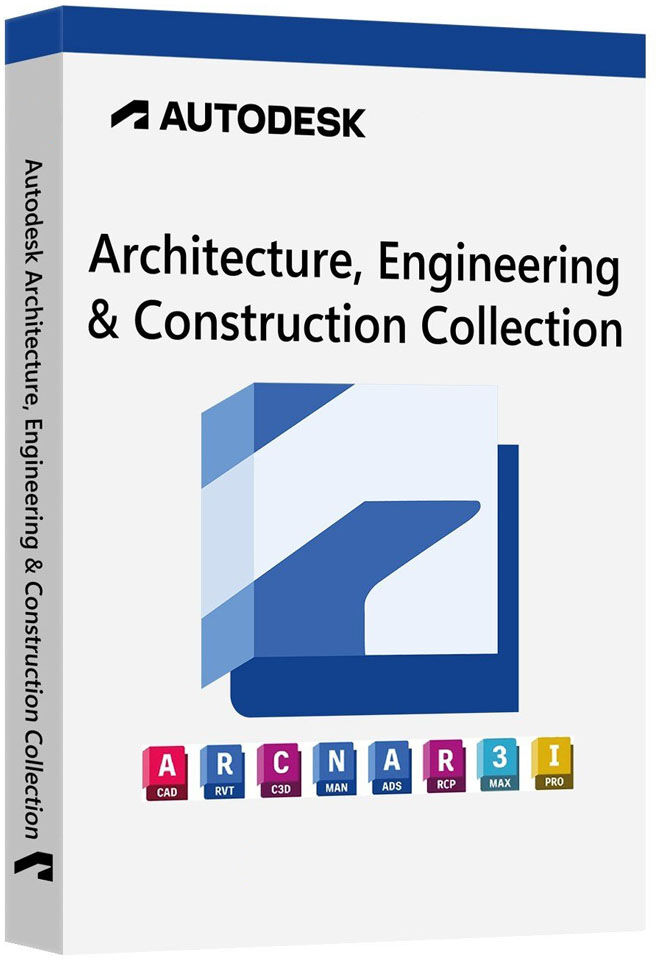
AUTODESK ARCHITECTURE ENGINEERING & CONSTRUCTION COLLECTION 2025 - MACAutodesk Architecture Engineering Construction Collection License Original and guaranteed by Nextdigitalkey.com What is the Autodesk Architecture, Engineering & Construction Collection? The Autodesk AEC Collection provides designers, engineers, and contractors a set of BIM and CAD tools supported by a cloud-based common data environment that facilitates project delivery from early-stage design through to construction. Create high-quality, high-performing building and infrastructure designs with conceptual and detailed design tools. Optimize projects with integrated analysis, generative design, and visualization and simulation tools. Improve predictability in the field with tools that maximize constructability and project coordination. How the Autodesk AEC Collection helps your business Win more work: Access tools that enable you to bid for, win, and deliver more business. Improve operational efficiency: Automate tasks to reduce design time and improve handoff with streamlined data exchange. Deliver more sustainable projects: Deliver high-quality building and infrastructure projects that exceed performance requirements. Reduce risk: Increase stakeholder buy-in and project predictability, while reducing errors and rework. What’s included in the AEC Collection?: Revit Civil 3D AutoCAD InfraWorks Navisworks Manage Autodesk Docs Advance Steel Insight FormIt Pro ReCap Pro Robot Structural Analysis Professional 3ds Max Autodesk Rendering Vehicle Tracking Fabrication CADmep Structural Bridge Design Autodesk Drive LANGUAGE: MULTI-LANGUAGE NUMBER OF DEVICES: 1 OPERATING SYSTEM: WINDOWS / MAC LICENSE DURATION: PERPETUAL (No expiry) WHAT DO I RECEIVE WHEN I PURCHASE? By purchasing this product, you will receive the digital software to download and install, the product key for activation, and all instructions for a proper installation. DO I DOWNLOAD THE PRODUCT FROM THE OFFICIAL WEBSITE? Certainly, the product download takes place from the official website, no external links are used, only official links. HOW DO LICENSES HAVE A LOW PRICE? they are used and disused retail licenses from the previous owner in accordance with ECJ C-128/2011 ruling, it is possible to purchase them from us at the best price on the market. Our licenses are digitally delivered via email within a few minutes of payment, they are digital ESD licenses, and all product keys are original and can be reinstalled on the same device. ARE YOU AFRAID YOU WON’T BE ABLE TO INSTALL IT? No problem! We provide direct assistance with remote support available to you 24/7, even on holidays.599,95 £*Shipping: 0,00 £Secure redirect to the provider


-
How do you plaster over plaster?
To plaster over existing plaster, you will first need to prepare the surface by cleaning it thoroughly and removing any loose or flaking plaster. Then, apply a bonding agent to the surface to help the new plaster adhere to the old plaster. Once the bonding agent has dried, you can apply a new layer of plaster over the existing plaster using a trowel, making sure to smooth and level the surface as you go. Allow the new plaster to dry completely before sanding and painting as needed. **
-
How do you plaster electrician's plaster?
To plaster an electrician's plaster, you will first need to prepare the surface by cleaning it and removing any debris. Then, mix the plaster according to the manufacturer's instructions and apply it to the surface using a trowel. Smooth the plaster out evenly and allow it to dry completely before sanding and painting if necessary. It's important to ensure that the plaster is applied evenly and smoothly to create a professional finish. **
-
What types of interior plaster are there, lime plaster or silicate plaster?
There are two main types of interior plaster: lime plaster and silicate plaster. Lime plaster is made from a mixture of sand, water, and lime and has been used for centuries due to its durability and breathability. Silicate plaster, on the other hand, is made from a mixture of sand, water, and potassium silicate and is known for its high resistance to moisture and mold. Both types of plaster have their own unique characteristics and benefits, so the choice between them depends on the specific needs of the project. **
-
Can you plaster plasterboard with fine plaster?
Yes, you can plaster plasterboard with fine plaster. Plasterboard is a common material used for interior walls and ceilings, and it is designed to be plastered over. Fine plaster, also known as finishing plaster, is a smooth and easy-to-work-with material that is commonly used for the final coat of plastering. It can be applied to plasterboard to create a smooth and even surface for painting or wallpapering. Just be sure to follow the manufacturer's instructions for mixing and applying the fine plaster for best results. **


What are heat-retaining materials?
Heat-retaining materials are substances that have the ability to trap and hold heat for an extended period of time. These materials are often used in insulation to prevent heat loss in buildings or to keep objects warm. Common examples of heat-retaining materials include wool, fiberglass, and certain types of foam. By using these materials, energy consumption for heating can be reduced, making them environmentally friendly options. **
Which materials can I use to plaster walls with textured paint?
You can use a variety of materials to plaster walls with textured paint, such as a trowel, putty knife, or a texture roller. These tools can help you achieve different textures, from smooth to more pronounced patterns. Additionally, you can mix in additives like sand or joint compound to create a more textured finish. Experimenting with different tools and materials will allow you to achieve the desired look for your walls. **
Top-Angebote
Products related to Plaster:
-
York Wallcoverings Italian Plaster Plaster WallpaperThe distinctive, rugged texture of hand-troweled Italian plaster is reimagined with a luminous, modern shimmer. Featured here in natural beige. Unpasted vinyl material. 27.5-in repeat, drop match. Scrubbable and strippable. 20.9-in by 33-ft long roll.153,00 $*Shipping: 0,00 $Secure redirect to the provider
-
Advantage Steno Silver Plaster WallpaperThis chic wallpaper's cool silver hues are enhanced by subtle textural detailing. The plaster-like texture is also imbued with a subtle shimmer and delicate dusting of glitter. Steno is an unpasted, vinyl on non woven wallpaper.66,99 $*Shipping: 0,00 $Secure redirect to the provider
-
Advantage Steno Taupe Plaster WallpaperSubtle texture and light-catching accents in this wallpaper adds depth to your interiors. The neutral taupe hue is imbued with a plaster-like texture, subtle sheen, and a light coating of glitter. Steno is an unpasted, vinyl on non woven wallpaper.66,99 $*Shipping: 0,00 $Secure redirect to the provider
-
Which plaster on gypsum plaster?
The plaster used on gypsum plaster is typically a finishing plaster, such as a joint compound or a setting compound. These types of plasters are applied over the gypsum plaster to create a smooth and even surface for painting or other decorative finishes. **
-
How do you plaster on plaster?
To plaster on plaster, you first need to ensure that the existing plaster is clean and free of any loose debris. Next, apply a bonding agent to the existing plaster surface to help the new plaster adhere properly. Then, mix the new plaster according to the manufacturer's instructions and apply it evenly over the existing plaster using a trowel. Smooth out the surface and allow it to dry completely before finishing with a final coat if necessary. **
-
How do you plaster over plaster?
To plaster over existing plaster, you will first need to prepare the surface by cleaning it thoroughly and removing any loose or flaking plaster. Then, apply a bonding agent to the surface to help the new plaster adhere to the old plaster. Once the bonding agent has dried, you can apply a new layer of plaster over the existing plaster using a trowel, making sure to smooth and level the surface as you go. Allow the new plaster to dry completely before sanding and painting as needed. **
-
How do you plaster electrician's plaster?
To plaster an electrician's plaster, you will first need to prepare the surface by cleaning it and removing any debris. Then, mix the plaster according to the manufacturer's instructions and apply it to the surface using a trowel. Smooth the plaster out evenly and allow it to dry completely before sanding and painting if necessary. It's important to ensure that the plaster is applied evenly and smoothly to create a professional finish. **
Similar search terms for Plaster
-
Cosmoplast Plaster Elastic 10 unitsHealth and Beauty First aid kit Cosmoplast Plaster Elastic 10 units What is Plaster Elastic 10 u? Cosmoplast Plaster Elastic are elastic bandages for covering minor everyday injuries. Their elasticity allows them to move with the skin, which is especially helpful for fingers, knuckles, and joints. The package contains 10 bandages . Benefits They cover the wound and protect it from friction and dirt while it heals. Their elastic fabric adapts to areas that bend, so the bandage stays in place even if you move your hand. Who is it for? Keep this in your home, work, or car first-aid kit to treat minor cuts, scrapes, and scratches. If the wound is deep, extensive, or shows signs of infection, consult a healthcare professional. How to apply Plaster Elastic 10 units? Clean and dry the wound and the surrounding skin. Remove the protector without touching the pad. Place the pad over the wound and press down the adhesive ends. Product Use Medical device for external use. Change the bandage when it gets wet or dirty and follow the instructions on the packaging.1,40 £*Shipping: 3,99 £Secure redirect to the provider
-
AUTODESK ARCHITECTURE ENGINEERING & CONSTRUCTION COLLECTION 2025 - MACAutodesk Architecture Engineering Construction Collection License Original and guaranteed by Nextdigitalkey.com What is the Autodesk Architecture, Engineering & Construction Collection? The Autodesk AEC Collection provides designers, engineers, and contractors a set of BIM and CAD tools supported by a cloud-based common data environment that facilitates project delivery from early-stage design through to construction. Create high-quality, high-performing building and infrastructure designs with conceptual and detailed design tools. Optimize projects with integrated analysis, generative design, and visualization and simulation tools. Improve predictability in the field with tools that maximize constructability and project coordination. How the Autodesk AEC Collection helps your business Win more work: Access tools that enable you to bid for, win, and deliver more business. Improve operational efficiency: Automate tasks to reduce design time and improve handoff with streamlined data exchange. Deliver more sustainable projects: Deliver high-quality building and infrastructure projects that exceed performance requirements. Reduce risk: Increase stakeholder buy-in and project predictability, while reducing errors and rework. What’s included in the AEC Collection?: Revit Civil 3D AutoCAD InfraWorks Navisworks Manage Autodesk Docs Advance Steel Insight FormIt Pro ReCap Pro Robot Structural Analysis Professional 3ds Max Autodesk Rendering Vehicle Tracking Fabrication CADmep Structural Bridge Design Autodesk Drive LANGUAGE: MULTI-LANGUAGE NUMBER OF DEVICES: 1 OPERATING SYSTEM: WINDOWS / MAC LICENSE DURATION: PERPETUAL (No expiry) WHAT DO I RECEIVE WHEN I PURCHASE? By purchasing this product, you will receive the digital software to download and install, the product key for activation, and all instructions for a proper installation. DO I DOWNLOAD THE PRODUCT FROM THE OFFICIAL WEBSITE? Certainly, the product download takes place from the official website, no external links are used, only official links. HOW DO LICENSES HAVE A LOW PRICE? they are used and disused retail licenses from the previous owner in accordance with ECJ C-128/2011 ruling, it is possible to purchase them from us at the best price on the market. Our licenses are digitally delivered via email within a few minutes of payment, they are digital ESD licenses, and all product keys are original and can be reinstalled on the same device. ARE YOU AFRAID YOU WON’T BE ABLE TO INSTALL IT? No problem! We provide direct assistance with remote support available to you 24/7, even on holidays.599,95 £*Shipping: 0,00 £Secure redirect to the provider
-
What types of interior plaster are there, lime plaster or silicate plaster?
There are two main types of interior plaster: lime plaster and silicate plaster. Lime plaster is made from a mixture of sand, water, and lime and has been used for centuries due to its durability and breathability. Silicate plaster, on the other hand, is made from a mixture of sand, water, and potassium silicate and is known for its high resistance to moisture and mold. Both types of plaster have their own unique characteristics and benefits, so the choice between them depends on the specific needs of the project. **
-
Can you plaster plasterboard with fine plaster?
Yes, you can plaster plasterboard with fine plaster. Plasterboard is a common material used for interior walls and ceilings, and it is designed to be plastered over. Fine plaster, also known as finishing plaster, is a smooth and easy-to-work-with material that is commonly used for the final coat of plastering. It can be applied to plasterboard to create a smooth and even surface for painting or wallpapering. Just be sure to follow the manufacturer's instructions for mixing and applying the fine plaster for best results. **
-
What are heat-retaining materials?
Heat-retaining materials are substances that have the ability to trap and hold heat for an extended period of time. These materials are often used in insulation to prevent heat loss in buildings or to keep objects warm. Common examples of heat-retaining materials include wool, fiberglass, and certain types of foam. By using these materials, energy consumption for heating can be reduced, making them environmentally friendly options. **
-
Which materials can I use to plaster walls with textured paint?
You can use a variety of materials to plaster walls with textured paint, such as a trowel, putty knife, or a texture roller. These tools can help you achieve different textures, from smooth to more pronounced patterns. Additionally, you can mix in additives like sand or joint compound to create a more textured finish. Experimenting with different tools and materials will allow you to achieve the desired look for your walls. **
* All prices are inclusive of VAT and, if applicable, plus shipping costs. The offer information is based on the details provided by the respective shop and is updated through automated processes. Real-time updates do not occur, so deviations can occur in individual cases. ** Note: Parts of this content were created by AI.