Buy 擁壁.com ?
We are moving the project
擁壁.com .
Are you interested in purchasing the domain
擁壁.com ?
domain@kv-gmbh.de · 0541-91531010
Buy 擁壁.com ?
How do I build a garden wall, a retaining wall, or a wall?
To build a garden wall, retaining wall, or any type of wall, you will need to start by planning and designing the layout of the wall. Then, you will need to gather the necessary materials such as bricks, stones, or concrete blocks, as well as mortar and tools such as a shovel, level, and trowel. Next, you will need to prepare the foundation by digging a trench and laying a base of gravel and sand. Then, you can start laying the bricks or blocks, ensuring they are level and using mortar to secure them in place. Finally, finish the wall by adding a cap or coping to provide a finished look and added stability. It's important to follow local building codes and regulations, and consider consulting a professional if you are unsure about any aspect of the construction process. **
How can a retaining wall be renovated?
A retaining wall can be renovated by first assessing the extent of the damage and identifying the cause of the deterioration. Once the underlying issues are addressed, the wall can be repaired by replacing damaged or deteriorated materials, reinforcing the structure with additional support, and improving drainage to prevent future damage. It is important to consult with a professional engineer or contractor to ensure that the renovation is done properly and meets safety standards. **


Similar search terms for Toswini-Wall-Hugger-Power
Top-Angebote
Products related to Toswini-Wall-Hugger-Power:
-
Spruce & Spring Margot Wall Hugger Power Recliner with USB PortsThe Recliner Chair blends comfort and versatility for your living room, bedroom, or RV. This wall hugger power recliner easily fits tight spaces while providing three adjustable positions for reading, TV, or napping.439,99 $*Shipping: 0,00 $Secure redirect to the provider


-
How much does a retaining wall cost?
The cost of a retaining wall can vary depending on factors such as the materials used, the size of the wall, and the complexity of the design. On average, homeowners can expect to pay between $3,000 to $10,000 for a retaining wall. However, for larger or more intricate walls, the cost can exceed $15,000. It is recommended to get quotes from multiple contractors to get a better idea of the specific cost for your project. **
-
Who bears the costs for a retaining wall?
The costs for a retaining wall are typically borne by the property owner. This includes the design, materials, labor, and any necessary permits. In some cases, neighboring property owners may share the costs if the retaining wall benefits both properties. It is important to consult with a professional to determine the best course of action and cost-sharing arrangements for a retaining wall project. **
-
What is the difference between topsoil and a retaining wall as a support wall?
Topsoil is the uppermost layer of soil, typically the top 2-8 inches, that contains the highest concentration of organic matter and nutrients. It is essential for plant growth and provides a medium for plant roots to anchor and absorb water and nutrients. On the other hand, a retaining wall is a structure built to hold back soil and prevent it from eroding or collapsing. While topsoil is a natural component of the earth's surface, a retaining wall is a man-made structure designed to provide support and stability to the soil. **
-
What are heat-retaining materials?
Heat-retaining materials are substances that have the ability to trap and hold heat for an extended period of time. These materials are often used in insulation to prevent heat loss in buildings or to keep objects warm. Common examples of heat-retaining materials include wool, fiberglass, and certain types of foam. By using these materials, energy consumption for heating can be reduced, making them environmentally friendly options. **

Is it possible to use a garden wall as a retaining wall for a slope?
Yes, it is possible to use a garden wall as a retaining wall for a slope, as long as the wall is properly designed and constructed to withstand the pressure of the soil behind it. The wall should be built with a strong foundation and proper drainage to prevent water buildup and erosion. Additionally, the wall should be constructed with materials and techniques suitable for retaining walls, such as concrete blocks, stone, or brick, and may require the expertise of a professional engineer or contractor to ensure its stability and safety. **
Why does the LED wall lamp have constant power?
The LED wall lamp has constant power because it is designed to provide consistent and reliable illumination. By maintaining a constant power supply, the lamp can ensure that the light output remains steady and does not flicker or dim over time. This also helps to prolong the lifespan of the LED bulbs and maintain their efficiency. Additionally, constant power allows for better control and customization of the light output, such as dimming or color temperature adjustments. **
Top-Angebote
Products related to Toswini-Wall-Hugger-Power:
-
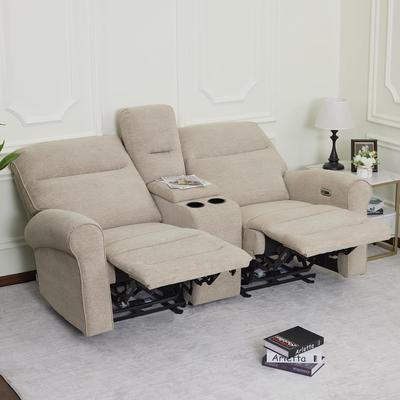
toswini Wall Hugger Power Recliner with Velvet Upholstery USB and Type-C ChargingMake efficient use of a compact room with this wall-hugger power recliner. The forward-gliding design allows reclining near a wall, while an overstuffed backrest and thick cushion provide comfortable support.612,49 $*Shipping: 0,00 $Secure redirect to the provider
-
Spruce & Spring Margot Wall Hugger Power Recliner with USB PortsThe Recliner Chair blends comfort and versatility for your living room, bedroom, or RV. This wall hugger power recliner easily fits tight spaces while providing three adjustable positions for reading, TV, or napping.439,99 $*Shipping: 0,00 $Secure redirect to the provider
-
How do I build a garden wall, a retaining wall, or a wall?
To build a garden wall, retaining wall, or any type of wall, you will need to start by planning and designing the layout of the wall. Then, you will need to gather the necessary materials such as bricks, stones, or concrete blocks, as well as mortar and tools such as a shovel, level, and trowel. Next, you will need to prepare the foundation by digging a trench and laying a base of gravel and sand. Then, you can start laying the bricks or blocks, ensuring they are level and using mortar to secure them in place. Finally, finish the wall by adding a cap or coping to provide a finished look and added stability. It's important to follow local building codes and regulations, and consider consulting a professional if you are unsure about any aspect of the construction process. **
-
How can a retaining wall be renovated?
A retaining wall can be renovated by first assessing the extent of the damage and identifying the cause of the deterioration. Once the underlying issues are addressed, the wall can be repaired by replacing damaged or deteriorated materials, reinforcing the structure with additional support, and improving drainage to prevent future damage. It is important to consult with a professional engineer or contractor to ensure that the renovation is done properly and meets safety standards. **
-
How much does a retaining wall cost?
The cost of a retaining wall can vary depending on factors such as the materials used, the size of the wall, and the complexity of the design. On average, homeowners can expect to pay between $3,000 to $10,000 for a retaining wall. However, for larger or more intricate walls, the cost can exceed $15,000. It is recommended to get quotes from multiple contractors to get a better idea of the specific cost for your project. **
-
Who bears the costs for a retaining wall?
The costs for a retaining wall are typically borne by the property owner. This includes the design, materials, labor, and any necessary permits. In some cases, neighboring property owners may share the costs if the retaining wall benefits both properties. It is important to consult with a professional to determine the best course of action and cost-sharing arrangements for a retaining wall project. **
Similar search terms for Toswini-Wall-Hugger-Power
-
What is the difference between topsoil and a retaining wall as a support wall?
Topsoil is the uppermost layer of soil, typically the top 2-8 inches, that contains the highest concentration of organic matter and nutrients. It is essential for plant growth and provides a medium for plant roots to anchor and absorb water and nutrients. On the other hand, a retaining wall is a structure built to hold back soil and prevent it from eroding or collapsing. While topsoil is a natural component of the earth's surface, a retaining wall is a man-made structure designed to provide support and stability to the soil. **
-
What are heat-retaining materials?
Heat-retaining materials are substances that have the ability to trap and hold heat for an extended period of time. These materials are often used in insulation to prevent heat loss in buildings or to keep objects warm. Common examples of heat-retaining materials include wool, fiberglass, and certain types of foam. By using these materials, energy consumption for heating can be reduced, making them environmentally friendly options. **
-
Is it possible to use a garden wall as a retaining wall for a slope?
Yes, it is possible to use a garden wall as a retaining wall for a slope, as long as the wall is properly designed and constructed to withstand the pressure of the soil behind it. The wall should be built with a strong foundation and proper drainage to prevent water buildup and erosion. Additionally, the wall should be constructed with materials and techniques suitable for retaining walls, such as concrete blocks, stone, or brick, and may require the expertise of a professional engineer or contractor to ensure its stability and safety. **
-
Why does the LED wall lamp have constant power?
The LED wall lamp has constant power because it is designed to provide consistent and reliable illumination. By maintaining a constant power supply, the lamp can ensure that the light output remains steady and does not flicker or dim over time. This also helps to prolong the lifespan of the LED bulbs and maintain their efficiency. Additionally, constant power allows for better control and customization of the light output, such as dimming or color temperature adjustments. **
* All prices are inclusive of VAT and, if applicable, plus shipping costs. The offer information is based on the details provided by the respective shop and is updated through automated processes. Real-time updates do not occur, so deviations can occur in individual cases. ** Note: Parts of this content were created by AI.